


Summary of This Article
- Beijing anchors the route with its imperial legacy. The Forbidden City and the Great Wall offer encounters with Chinese history at its most monumental. Xi'an follows with the Terracotta Army and the living textures of Tang dynasty culture. Shanghai brings a cosmopolitan counterpoint: the Bund waterfront, the French Concession's leafy streets, and a dining scene that rivals any world capital. Hangzhou offers a quieter refinement, with West Lake at dawn and the tea gardens of Longjing. Hong Kong closes the journey with its electric skyline from Victoria Peak and a Michelin-starred dim sum culture unlike anywhere else.
- Moving between China's great cities, we can weave together high-speed rail, short domestic flights, and private transfers, tracing a classic arc from Beijing through Xi'an, Shanghai, Hangzhou, and Hong Kong without sacrificing pace or ease.
- Shanghai presents two distinct expressions of luxury. The Peninsula Shanghai on the Bund delivers Art Deco elegance and sweeping river views, the city at its most iconic. Amanyangyun, set apart from the urban pulse, offers something rarer: ancient camphor forests, restored Ming and Qing dynasty villas, and a sense of seclusion that feels worlds away from the skyline.
China doesn’t reveal itself all at once, it unfolds city by city, each with its own rhythm, flavor, and sense of place. From imperial capitals and futuristic skylines to calm lakes and slow-living cultural hubs, the country offers an extraordinary range of experiences for the luxury travelers.
In this carefully curated guide, you’ll find China’s most attractive destinations, handpicked not just for their fame, but for their ability to deliver refined and high-end travel experiences. From the historic depth of Beijing to the laid-back sophistication of Hangzhou, every city on this list brings something different to the table, giving you its own take on what luxury travel in China really feels like.
Beijing - Imperial Heritage Meets Modern Luxury
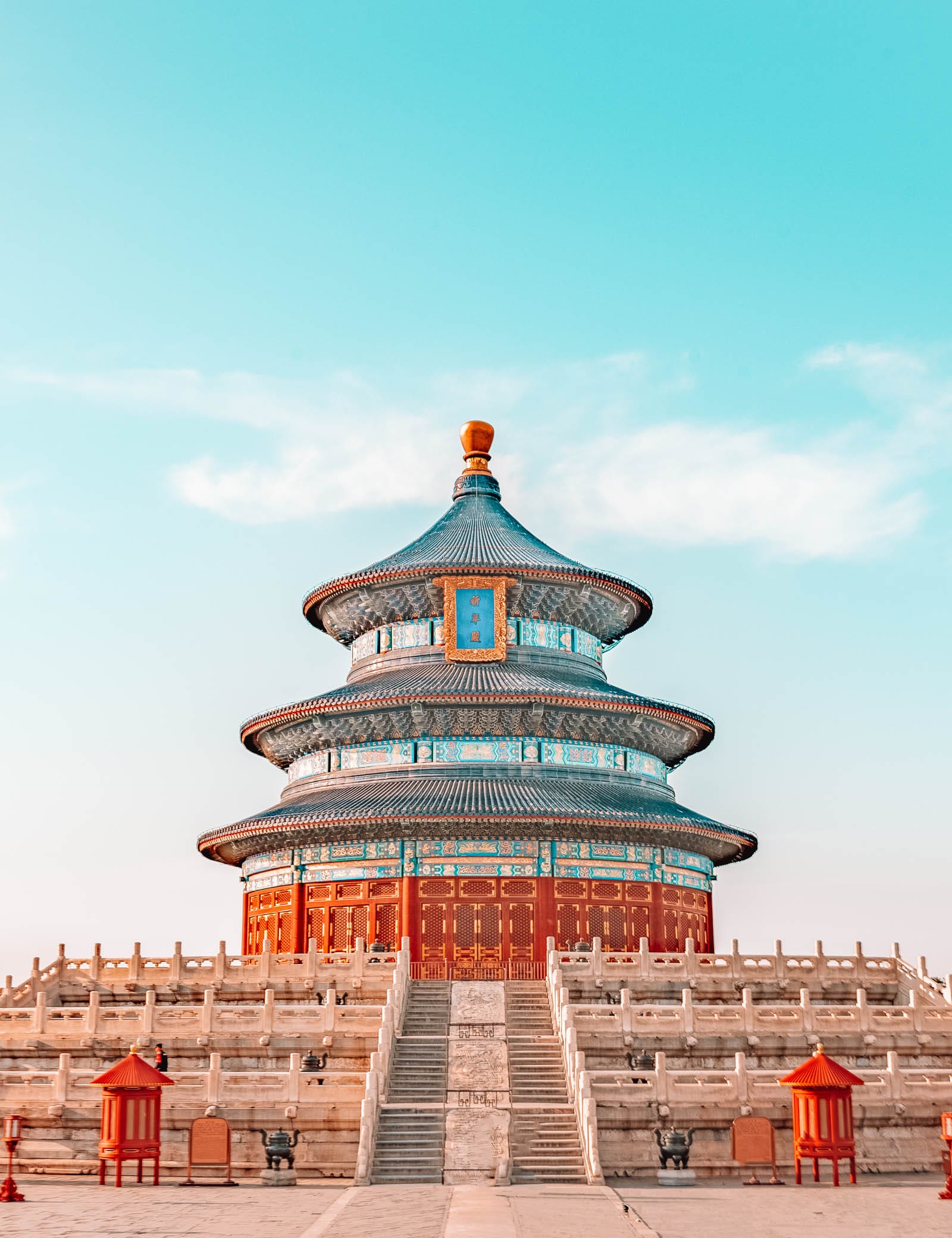
Beijing is where China’s imperial past meets its modern edge, and no visit feels complete without standing inside the vast courtyards of the Forbidden City or walking along the ridgelines of the Great Wall of China. The Forbidden City alone is enormous. Once home to emperors for over 500 years and still the largest preserved palace complex in the world. Tickets need to be booked in advance, and giving yourself at least half a day inside is essential to appreciate its scale and detail. For a more exclusive experience, it’s possible to opt for private guided tours that provide deeper historical context and help navigate the crowds efficiently, often paired with early entry slots to avoid peak hours.
The Great Wall, just outside the city, is best experienced beyond the busiest sections. While Badaling is the most accessible, areas like Mutianyu offer a quieter, more scenic alternative with restored paths, cable cars, and sweeping views of the surrounding mountains. Luxury travel here is less about rushing between sights and more about how you experience them. Think private transfers from central Beijing, sunset or early-morning visits, and curated day trips that combine the wall with countryside dining. Back in the city, Beijing’s luxury hotel scene is on par with any global capital, with standout properties offering everything from rooftop views over the Forbidden City to private access to historic sites and personalized concierge services. Staying in central districts like Wangfujing or in a restored courtyard residence adds another layer to the experience, putting you within easy reach of both iconic landmarks and the city’s more refined, contemporary side.
Xi'an - The Ancient Capital
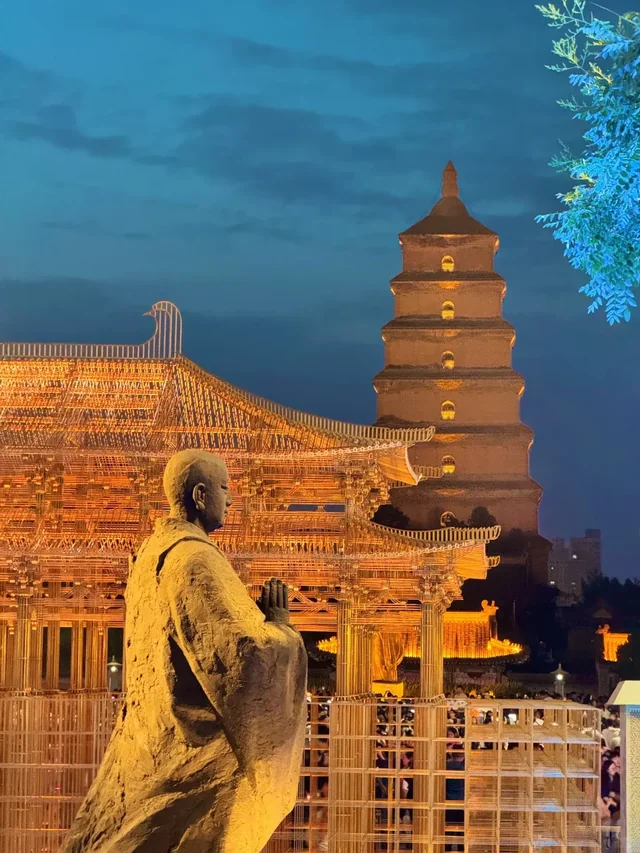
Xi’an offers a completely different side of China: older, quieter in pace, and deeply tied to the country’s ancient roots. The city’s biggest draw, the Terracotta Army, still lives up to the hype. Discovered in 1974, this vast underground army of life-sized soldiers was built to guard Emperor Qin Shi Huang in the afterlife, and seeing it in person is something else entirely. For a smoother, more elevated experience, it’s worth arranging a private guide and arriving early in the morning, before the main crowds. Many luxury itineraries also include behind-the-scenes insights into ongoing excavation work or visits to smaller, lesser-known pits that most visitors miss.
Back in the city, Xi’an’s Tang Dynasty heritage adds a layer of cultural richness that feels both elegant and immersive. The Tang Paradise offers a more curated glimpse into that golden era, with evening performances, traditional architecture, and beautifully landscaped grounds that are especially atmospheric after dark. For something more authentic, the Muslim Quarter is a must visit, best explored with a local guide who can introduce you to regional specialties beyond the obvious street food stops. Luxury in Xi’an leans into experience: boutique hotels set within restored courtyards, private dumpling-making sessions, and guided walks along the ancient Xi'an City Wall at sunset, when the city takes on a softer, more atmospheric feel.
Shanghai - China's Cosmopolitan Heart
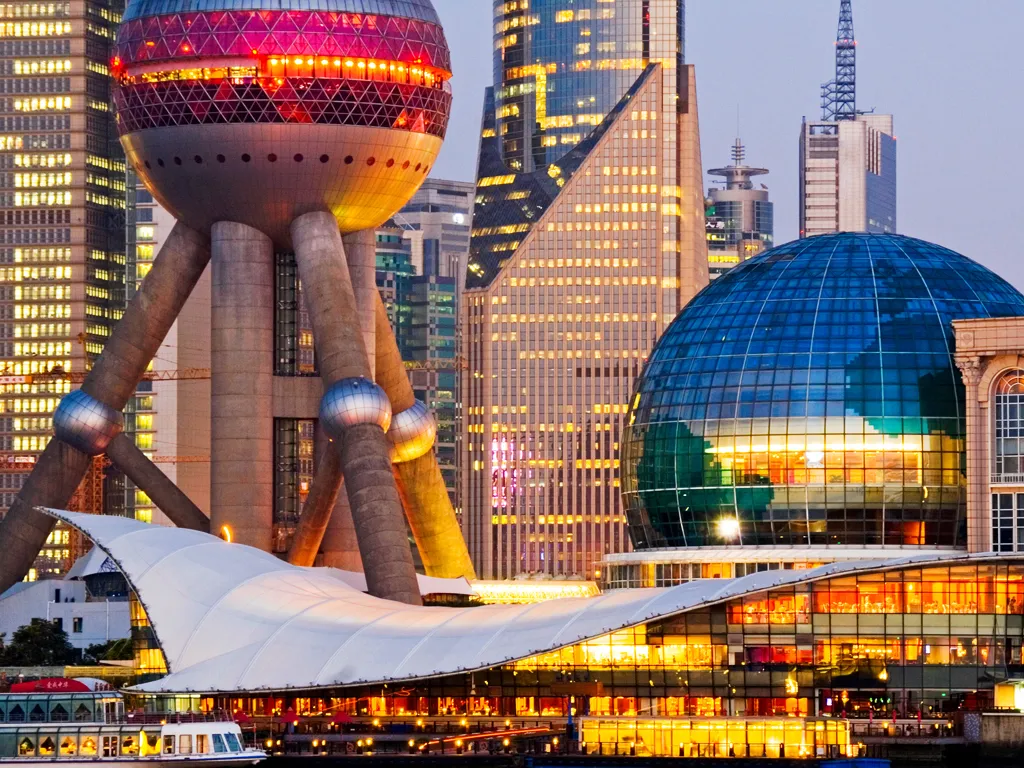
Shanghai feels like a different world again: fast-paced, polished, and entirely cosmopolitan. The city’s most iconic stretch, the The Bund, is where old and new Shanghai face each other across the Huangpu River. On one side, grand colonial-era buildings; on the other, the futuristic skyline of Pudong. It’s especially striking at night, when everything lights up. For a more elevated experience, get a table at one of the Bund’s rooftop restaurants, where you can take it all in without the crowds. Not far from here, the Yu Garden offers a completely different atmosphere with classical Chinese landscaping, quiet ponds, and centuries-old pavilions tucked away from the city’s intensity. Going early in the morning or later in the evening makes a big difference if you want to enjoy it without the heavy foot traffic.
Beyond the landmarks, Shanghai really shines when you lean into its lifestyle side. The former French Concession is one of the best areas to stay, known for its tree-lined streets, historic villas, and a strong mix of boutique hotels, designer stores, and low-key luxury cafés. Art and culture lovers will appreciate spots like the West Bund Art Center, which has become a hub for contemporary galleries and international exhibitions. For something more indulgent, private shopping experiences, tailored food tours, and Huangpu River cruises are easy to arrange and well worth it. Shanghai’s hotel scene is also one of the strongest in Asia, with properties that combine skyline views, standout dining, and highly personalized service.
Hangzhou - The Lake City
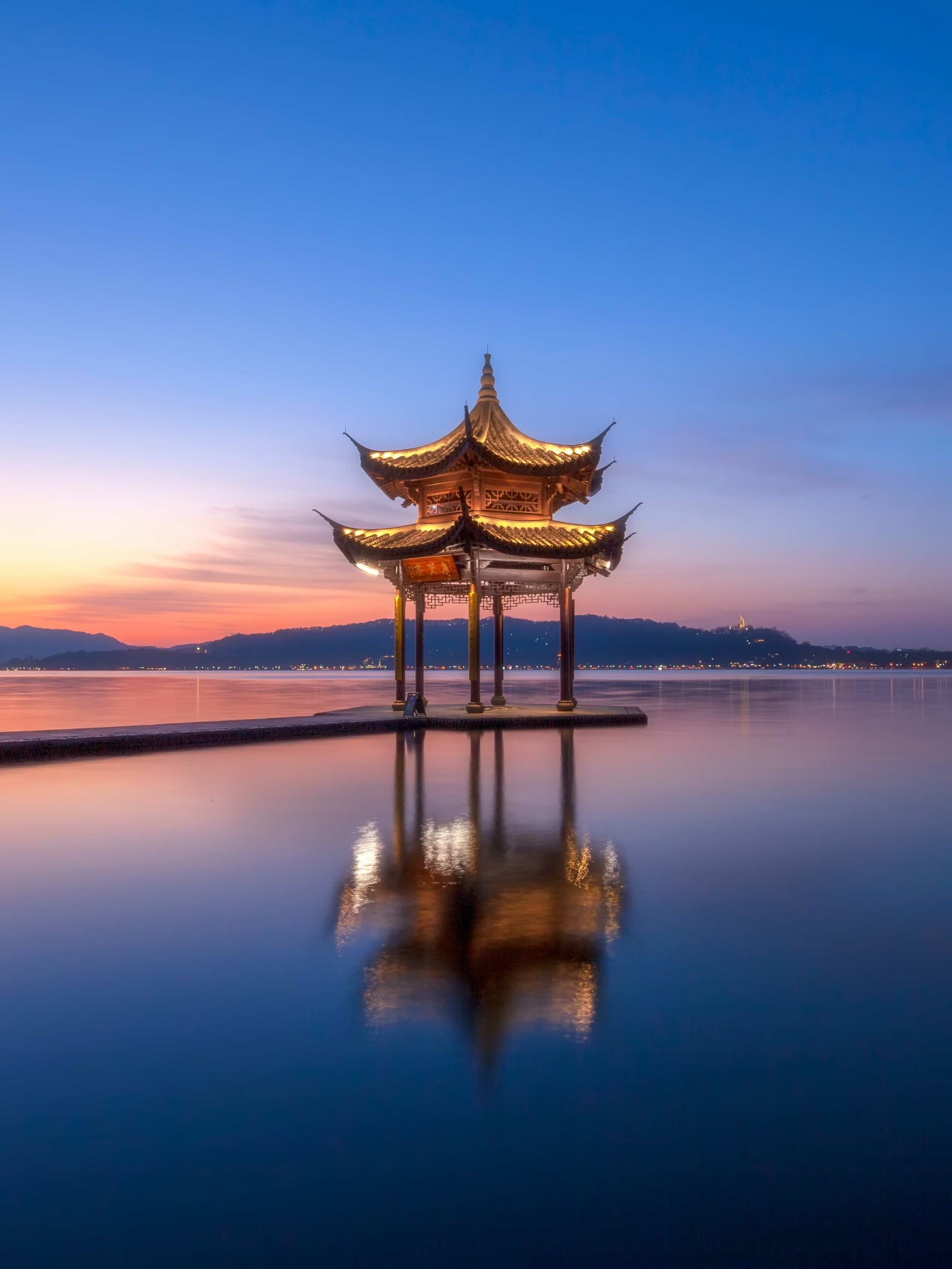
Hangzhou has a softer, more poetic feel than China’s bigger cities, and it’s long been associated with beauty, calm, and understated luxury. At the heart of it all is the West Lake, a UNESCO-listed landscape of willow-lined paths, pagodas, and misty hills that has inspired poets and painters for centuries. The best way to experience it is slowly: early morning walks, private boat rides across the lake, or cycling between scenic viewpoints. For a more exclusive stay, many high-end hotels are set right along the water or tucked into the surrounding hills, offering peaceful views and easy access to the lake without the busiest crowds. Spring and autumn are ideal seasons and popular, thanks to mild weather and clearer skies.
The city is also at the center of China’s most famous tea culture, particularly when it comes to Longjing (Dragon Well) tea. A visit to the Longjing Tea Village gives you a chance to see how it’s grown and harvested, often paired with private tastings hosted by local tea masters. Beyond tea, Hangzhou offers a refined cultural scene. Places like the Lingyin Temple provide a quieter, more spiritual contrast to the city’s polished side, set among forested hills and ancient carvings. Luxury travel here is less about big attractions and more about atmosphere: boutique resorts, spa experiences rooted in traditional wellness practices, and curated cultural activities that let you slow down and take in one of China’s most elegant destinations.
Hong Kong - East Meets West
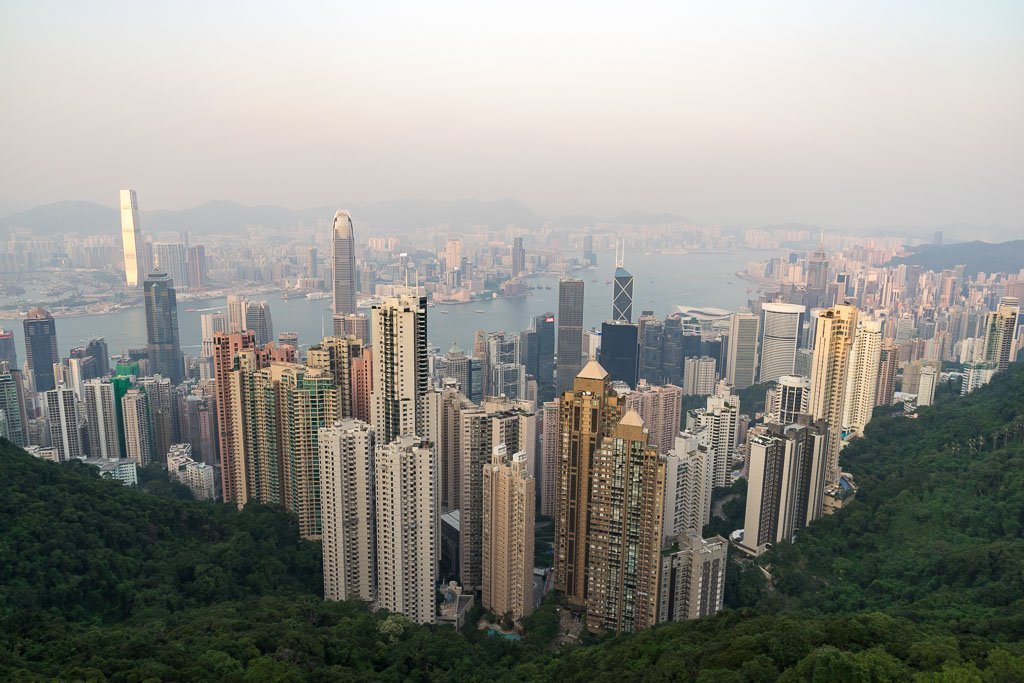
Hong Kong blends skyline drama with a deep-rooted food culture, and it’s one of the easiest cities in Asia to navigate in style. A trip up to Victoria Peak is almost a given with the views over the harbor and dense forest of skyscrapers are some of the best in the region (especially just before sunset when the city starts to light up). Booking Peak Tram tickets in advance or arranging private transport helps avoid long queues, and there are several high-end restaurants at the top if you want to turn it into a full evening experience. Down at sea level, Victoria Harbour itself is worth exploring by private boat or evening cruise, offering a completely different perspective of the skyline.
Food is a huge part of Hong Kong’s appeal, and dim sum is at the center of it. While there are countless options across the city, places like Lung King Heen and Tim Ho Wan show just how wide the spectrum can be, from refined, Michelin-starred dining to more casual, still-exceptional spots. Beyond food, areas like Central and Tsim Sha Tsui are packed with luxury hotels, designer shopping, and rooftop bars, while neighborhoods such as Sheung Wan offer a more local, design-focused feel. Hong Kong’s strength as a luxury destination lies in its balance. You can move from a traditional tea house to a world-class restaurant, or from a quiet temple tucked between towers to a high-rise infinity pool, all within the same afternoon.
Your China Route: How to Connect the Dots
Planning your route through China really comes down to your personal preferences and the destinations you don’t want to miss. Some travelers start in Beijing for its history and iconic landmarks, then continue to Xi'an for a deeper dive into ancient China, while others might prioritize the modern energy of Shanghai and pair it with a more relaxed stop in Hangzhou. If international access and a cosmopolitan finish matter to you, ending your trip in Hong Kong is often the most convenient choice. The good news is that getting between these cities is straightforward! China’s high-speed trains are fast and comfortable, and for longer distances, short flights or private transfers keep things smooth. However you map it out, the key is to leave enough time in each place to actually enjoy it, rather than trying to fit everything into a rushed schedule.
FAQ
The “best” cities really depend on what kind of experience you’re after. If you love history and culture, Beijing and Xi'an are must-visits, offering everything from imperial palaces to the Terracotta Warriors. For modern luxury, skyline views, and world-class dining, Shanghai and Hong Kong are top choices. If you prefer scenic beauty, relaxed lakeside vibes, and traditional culture, Hangzhou is ideal.
Essentially, your route depends on your interests: culture and history, urban luxury, or natural scenery. Many travelers combine a few of these cities for a balanced itinerary: starting in Beijing, visiting Xi’an, moving south to Shanghai and Hangzhou, and finishing in Hong Kong. This way, you experience China’s past, present, and scenic elegance all in one trip, tailored to your preferences.
When it comes to luxury hotels in Shanghai, two properties stand out not just for service and design, but also for uniqueness, character, and experience: The Peninsula Shanghai and Amanyangyun.
The Peninsula Shanghai on the Bund combines Art Deco elegance with modern comforts, offering spacious rooms with river or skyline views, Michelin‑starred dining, a full spa, and bespoke concierge services that can arrange private city experiences. It’s perfect for travelers who want classic luxury in the heart of Shanghai.
Amanyangyun is a serene retreat on the city outskirts, set among ancient camphor trees and restored Ming‑Qing villas. Guests enjoy private courtyards, cultural experiences like tea ceremonies, refined dining, and extensive wellness facilities, making it ideal for those seeking privacy, heritage, and tranquility.
Both offer exceptional service and design, catering to different sides of Shanghai luxury.

