


Best Time to Go on Safari and Where to? – Key Highlights
- There is no single "best time" for an African safari. The ideal season depends on the experience you are looking for, whether that is river crossings, calving season, or quieter camps.
- The Great Wildebeest Migration runs year-round. July to September in the Maasai Mara is ideal for river crossings, while January to March in the southern Serengeti is the peak period for calving season.
- The dry season safari (June to October) offers classic wildlife viewing, while the green season brings fewer crowds, more dramatic landscapes, and a unique atmosphere all its own.
One may ask… but there is no single “best time” to go on safari, and that’s precisely the beauty of it.
A safari is not defined by a fixed date on the calendar, but by intention. Do you want vast golden plains and dramatic predator encounters? Or emerald landscapes, newborn wildlife, and fewer vehicles in sight? Africa shifts with the seasons, and with each shift, the experience transforms.
Choosing the right season in the right country for the story you want to witness is the key. With this carefully considered safari season guide, we align timing with terrain, wildlife movement, and your personal expectations.
Dry Season vs Green Season — What’s Better?
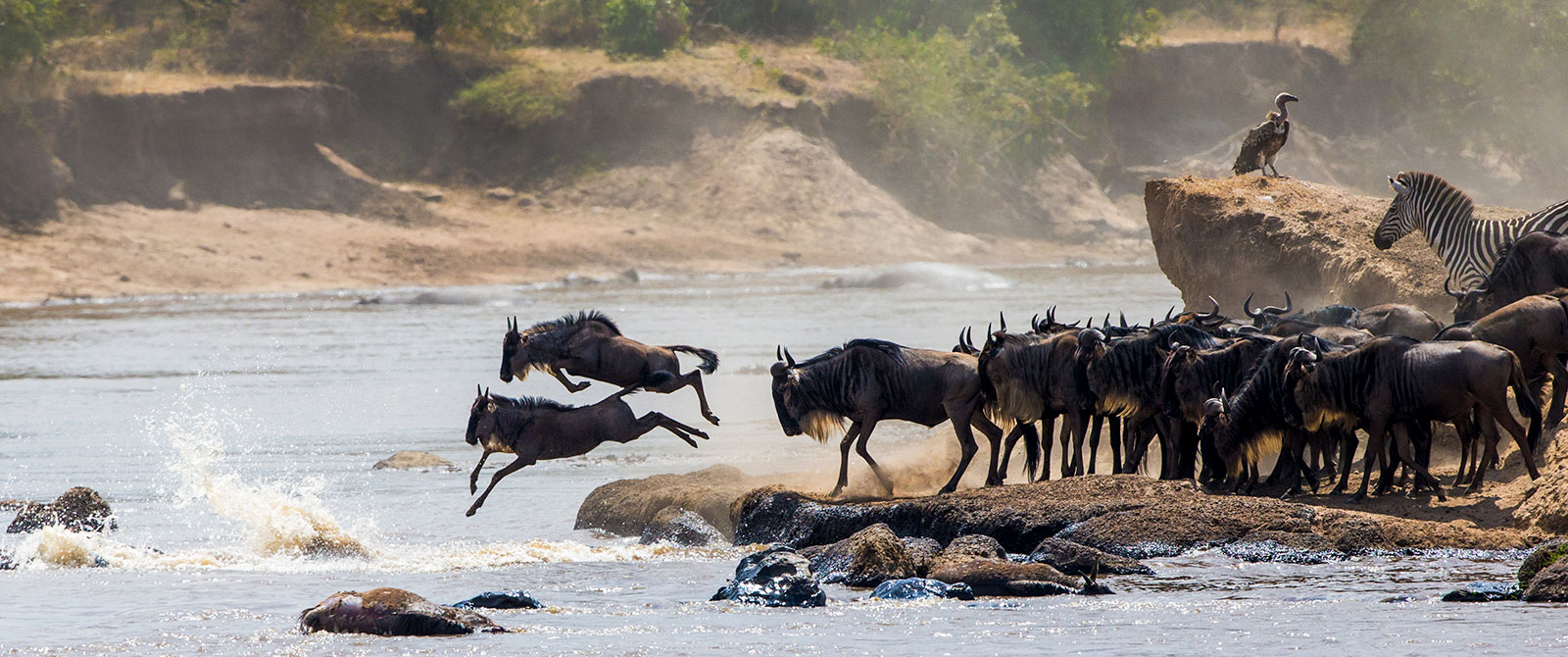
Across much of East and Southern Africa, the year unfolds in two distinct chapters: the dry season and the green season. Both offer remarkable experiences, but the atmosphere and rhythm differ noticeably.
A dry season safari, typically running from around June to October in East Africa (with variations depending on the region), is often associated with classic wildlife viewing. As rainfall becomes scarce, water sources shrink and animals congregate around rivers and waterholes. Vegetation thins, visibility improves, and game drives feel focused and dynamic. This is when sightings tend to be more predictable, and for many first-time travelers, deeply satisfying.
In contrast, a green season safari reveals a different side of Africa. Usually spanning from November through May in East Africa (though exact timing depends on the destination) this is when the rains return and transform the terrain. The savanna becomes lush, the air feels fresher, and dramatic skies build in the afternoons. The atmosphere is quieter, softer, and often more intimate.
Wildlife does not disappear during the green season; in fact, many species give birth around or after the rains, and birdlife becomes particularly vibrant as migratory species arrive. The scenery is undeniably photogenic, and in many regions, camps are less crowded.
Once we understand which experience resonates more with you, choosing the timing becomes surprisingly simple
When Is the Best Time for the Great Migration?
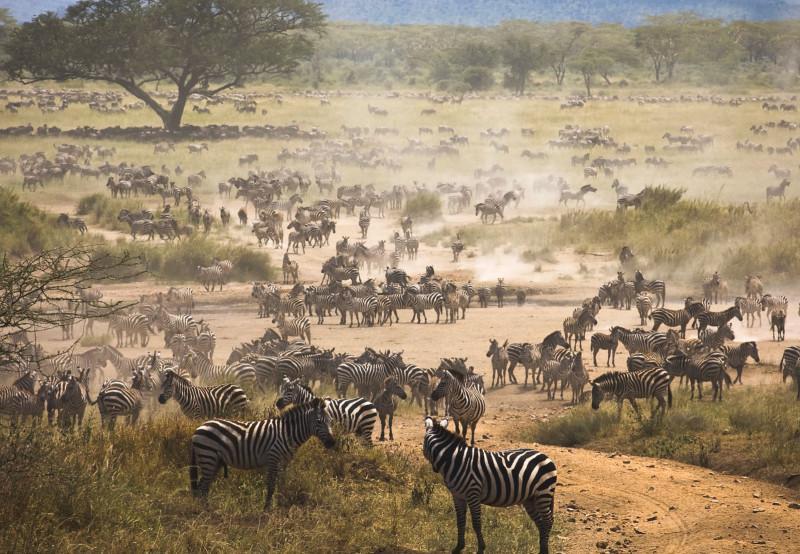
The Great Migration is often spoken about as if it happens in a single dramatic moment. In reality, it is a continuous, year-round movement of over a million wildebeest, accompanied by zebra and gazelle, circulating between Tanzania and Kenya in search of fresh grazing.
So when clients ask about the “best” time for the Great Migration, we usually ask a more important question: which scene do you want to witness?
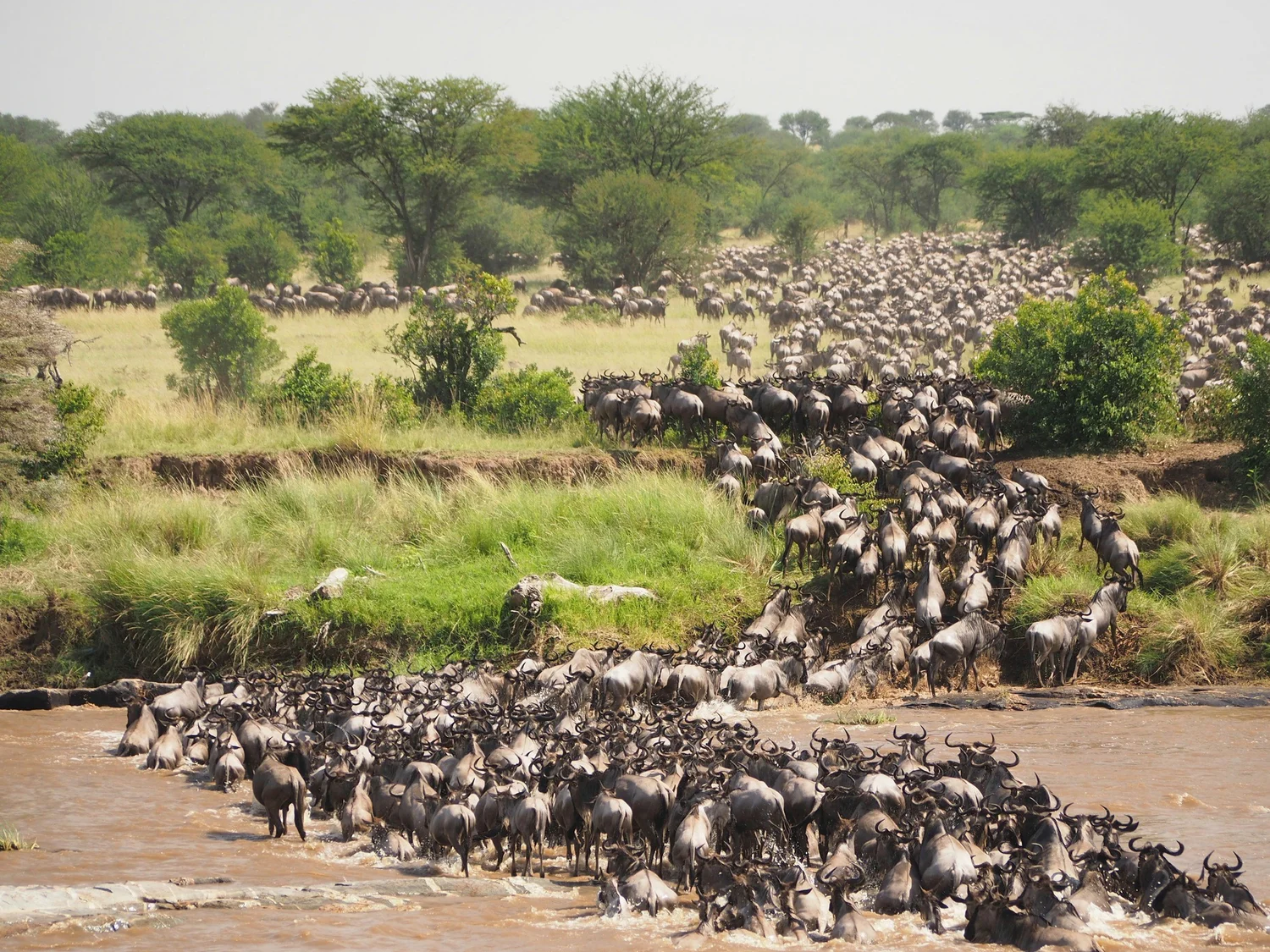
If the dream is the iconic river drama with herds gathering at the banks, tension building and crocodiles waiting, then timing becomes more specific. The famous crossings typically occur between July and September in Kenya’s Maasai Mara, though nature never works on a fixed schedule. Some years crossings begin earlier, some later, depending on rainfall patterns. For those prioritizing this spectacle, understanding Serengeti migration timing in relation to rainfall is crucial, and flexibility of a few weeks can make all the difference.
In between these headline moments, the herds are always somewhere. They move through the central Serengeti for much of the year, head north toward the Mara River as the dry season intensifies, and return south with the rains. Each stage has its own rhythm.
In other words, the Great Migration does not have one perfect month. It has different chapters. Whether you imagine a Maasai Mara river crossing or vast calving plains under stormy skies, we choose the window according to the scene you want to step into.
Kenya & Tanzania (Great Migration + Classic Safari)
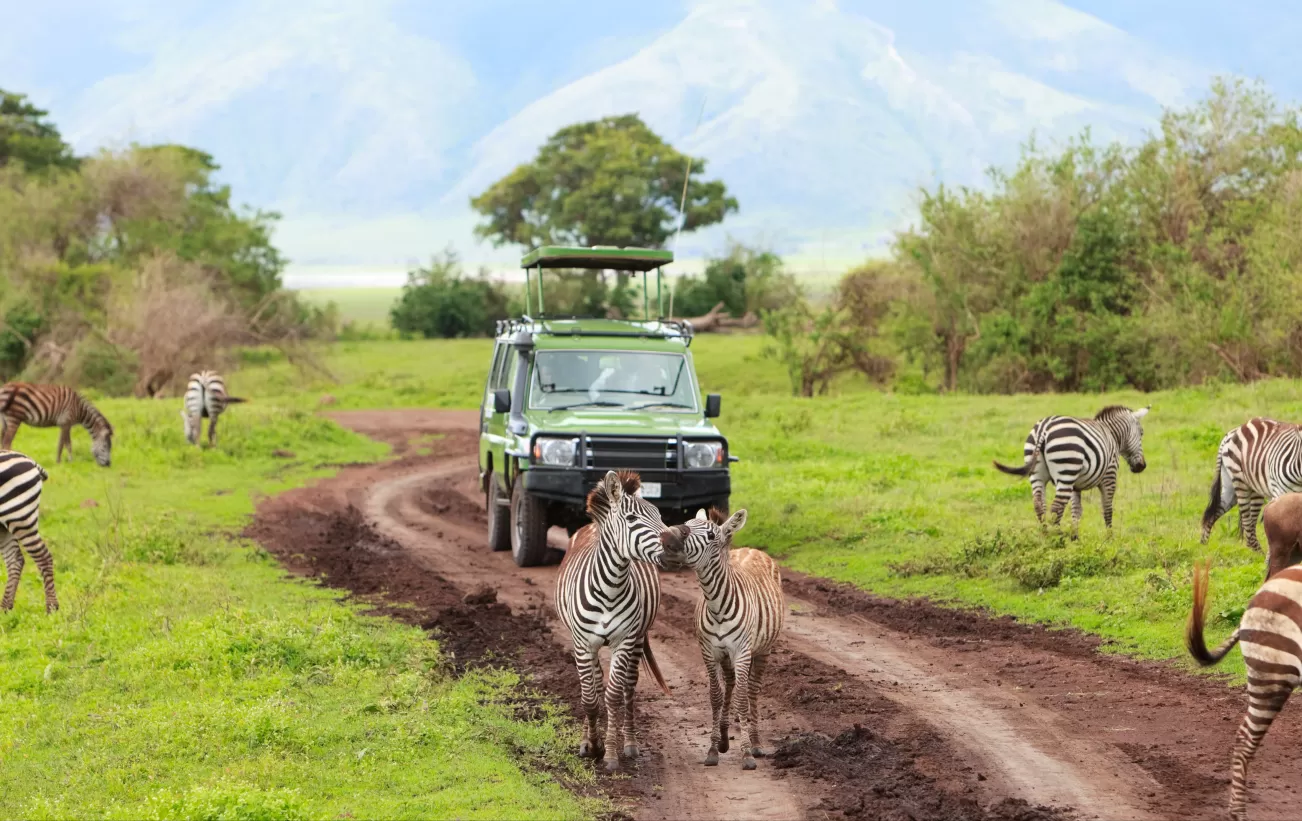
For many travelers, Kenya and Tanzania represent the archetypal first safari. This is where wide savannas open up in every direction, scattered acacia trees define the skyline, and large herds move steadily across the grasslands.
A journey through the Kenya and Tanzania safari circuit delivers variety with reassuring consistency. The Serengeti National Park and the Maasai Mara National Reserve are, of course, the headline acts, particularly for migration-focused itineraries. In most years, the herds move north into the Mara between mid-year and early autumn, while the southern Serengeti becomes central during calving months. Timing shifts slightly from year to year, but the broader pattern holds.
What makes this region especially appealing for a first safari is the combination of scale and accessibility. Landscapes are dramatic but easy to navigate. Wildlife density is high. Logistics between camps are well established. And for those wanting to combine safari with the Indian Ocean, onward travel to the coast is simple.
Month-by-Month Shortcut (Safari Calendar)
January - March
This is an excellent window for those interested in the calving season in Tanzania’s Serengeti ecosystem. Across the southern plains of the Serengeti National Park, thousands of wildebeest are born within a relatively short period, which naturally draws predators. If your focus is on witnessing the cycle of life rather than dramatic river crossings, this is one of the most compelling times to visit.
It’s also a strong period for classic safaris in both Kenya and Tanzania, particularly before the heavier rains begin. Landscapes are still green from earlier showers, wildlife viewing remains rewarding, and camps are often less crowded than in peak dry season.
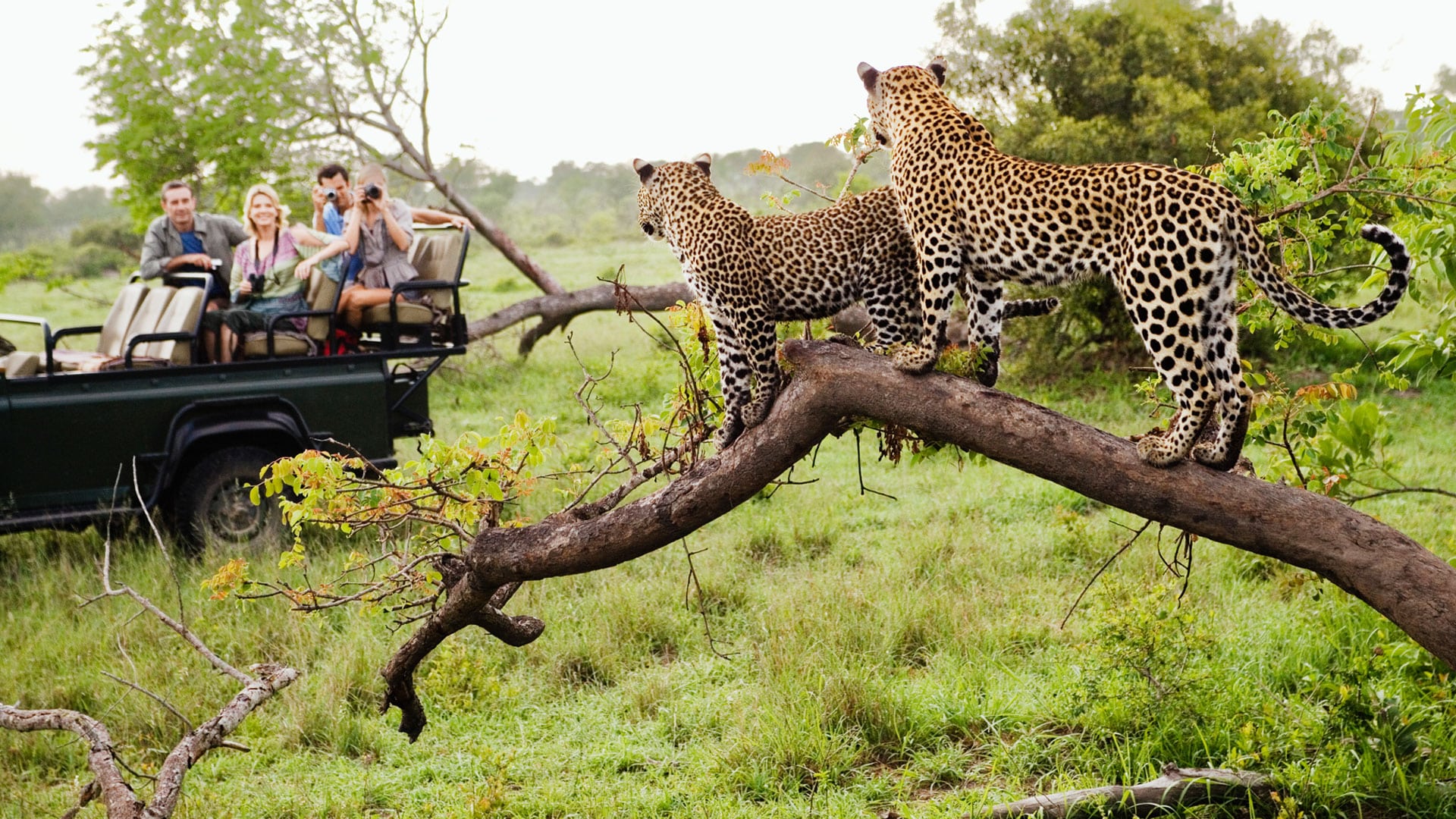
Southern Africa, including destinations like South Africa, can also work well at this time, especially in private reserves where wildlife sightings remain consistent year-round.
April - June
These months are often overlooked, especially April and May, which coincide with the long rains in East Africa. While rainfall can be heavier, it rarely means constant downpour all day. For travelers who value quieter camps, dramatic skies, and attractive seasonal pricing, this window can be surprisingly appealing.
By June, conditions begin to dry out again in many parts of East Africa. Wildlife becomes easier to spot as vegetation thins, and the migration typically starts moving north through the central Serengeti.
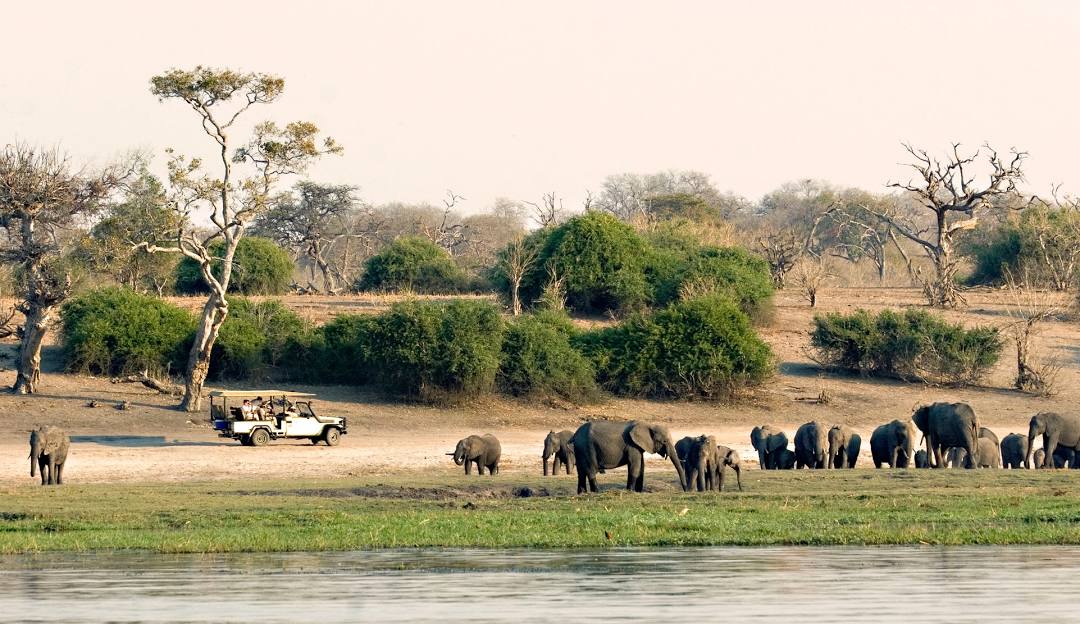
In Southern Africa, May and June mark the beginning of the dry season, making countries like Botswana and Zimbabwe increasingly strong for water-based and land safaris alike.
July - September
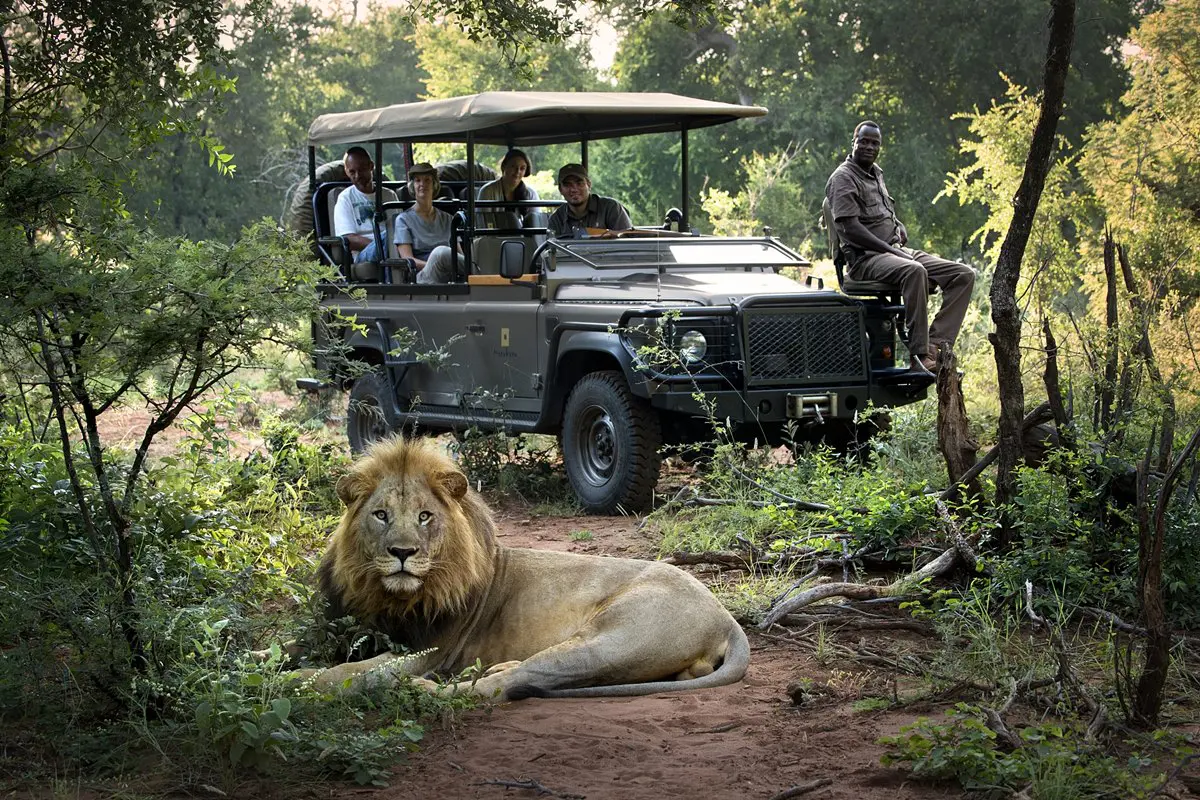
For many regions, this is the prime dry season. Wildlife gathers around water, visibility is at its clearest, and overall game viewing is highly reliable. If someone asks for the safest bet in terms of sightings, this is often the period we look at first.
This is also when the migration is usually in northern Tanzania and Kenya, with potential river crossings along the Mara River in the Maasai Mara National Reserve. Exact timing varies year to year, but broadly speaking, this is the window associated with the most famous migration images.
Southern Africa is excellent during these months as well. In Botswana’s Okavango Delta, floodwaters typically spread across the plains during the dry season, creating a unique mix of land and water experiences.
Ps. Because this is peak travel time in many destinations, early planning becomes especially important.
October - December
October often still carries dry season advantages in parts of East Africa, with strong wildlife viewing before the short rains begin. As November and December arrive, landscapes start turning green again, bringing a softer, more atmospheric feel to safari.
The migration usually begins moving south back into Tanzania toward the end of the year, setting the stage for the next calving season.
This period can be ideal for travelers who want good wildlife viewing with slightly fewer visitors compared to the mid-year peak. It also pairs comfortably with beach extensions along the Kenyan or Tanzanian coast.
FAQ
There isn’t one single best month. In general, the dry season, typically June to October in East Africa and May to September in much of Southern Africa, offers easier wildlife viewing due to thinner vegetation and animals gathering near water.
However, for specific events like the Great Migration, the ideal month depends on what you want to see. Calving season and river crossings happen at different times, so timing should match your priority!
The migration moves between Tanzania’s Serengeti National Park and Kenya’s Maasai Mara National Reserve.
If you’re hoping to witness river crossings, Kenya’s Maasai Mara is often the focus between July and September in most years. If you’re interested in calving season, southern Serengeti in Tanzania (usually January to March) is the better fit.
For first-time travelers, Kenya or Tanzania are strong choices thanks to open landscapes and reliable wildlife sightings. A 3–5 night stay in either the Maasai Mara or Serengeti ecosystem is often ideal.
Private reserves in South Africa are another excellent option which we love, comes with easy logistics and well-managed game drives.
Luxury safari camps are small and fill quickly during peak dry season and migration months.
While there’s no strict timeline, earlier planning gives you access to the best camps and guides, especially if you’re traveling during high-demand periods. Let the 79 team know your travel window, priorities, and preferred level of comfort, and we’ll design the right safari experience with the best available accommodations to match.

