


Summary of This Article
- The best food in Tokyo goes well beyond sushi and ramen, and we can explore the city's Michelin-starred omakase counters, kaiseki restaurants and refined French and Italian dining rooms, with Ginza as the main fine-dining hub, alongside Roppongi, Azabu and Nihonbashi.
- We can book highly sought-after omakase counters such as Sushi Saito, Sushi Kanesaka and Sushi Sawada only well in advance, since seats are very limited and reservations may require a concierge or referral.
- Tokyo's coffee, matcha and dessert scene lets us move from specialty roasters, kissaten and Uji matcha cafés like Nakamura Tokichi and Ippodo to Pierre Hermé pâtisserie and neighbourhood bakeries.
If you are wondering where to eat in Tokyo, this hand-picked food guide is designed for you: a carefully curated introduction to the city’s finest dining experiences, from exceptional omakase and refined Japanese cuisine to specialist coffee, matcha and beautifully crafted desserts. And if you are asking best food in Tokyo, the answer goes far beyond sushi and ramen. Tokyo has more Michelin-starred restaurants than any other city in the world, making it an extraordinary destination for anyone who appreciates food at its most precise, creative and luxurious.
From traditional Japanese flavours and intimate omakase counters to elegant tea rooms, standout cafés and some of the city’s best pastry shops, this guide explores the places worth knowing across Tokyo. This guide is designed carefully by the 79 team to help you discover the city through its food, including best restaurants in Tokyo.
Best Coffee in Tokyo
Specialty Coffee Roasters | Kissaten: Tokyo's Classic Coffee Houses
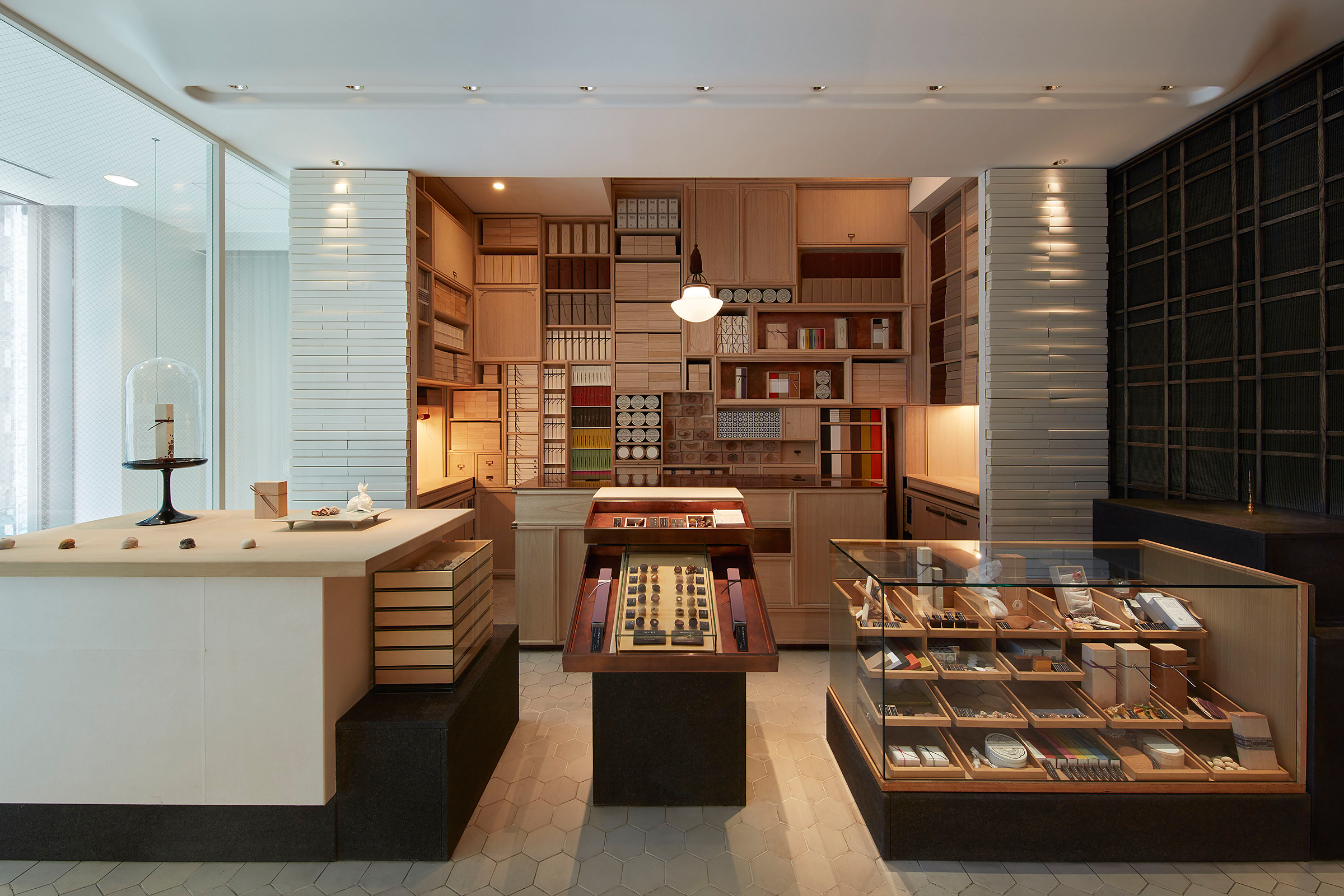
HIGASHIYA GINZA
More than a coffee stop, HIGASHIYA GINZA is an elegant Japanese tea salon where seasonal wagashi and carefully selected teas take centre stage. Its refined setting and contemporary interpretation of traditional Japanese tea culture make it a beautiful place to slow down in the middle of Ginza.
ANAKUMA CAFE Harajuku
For something a little more playful, ANAKUMA CAFE in Harajuku combines good coffee with an unusual bear-themed concept. Drinks are served through a small opening in the wall by a bear paw, turning what would otherwise be a simple coffee stop into one of Tokyo’s more memorable café experiences.
Iyoshi Cola
Not a coffee shop, but certainly one of Tokyo’s more interesting drinks stops, IYOSHI COLA specialises in Japanese craft cola made in Tokyo. The Shibuya shop in Jingumae is a chance to try the brand’s distinctive cola in a casual setting and discover a very different side of Japan’s growing craft-drink culture.
KOFFEE MAMEYA Kakeru
KOFFEE MAMEYA Kakeru approaches coffee with the precision of a tasting experience, making it particularly interesting for serious coffee lovers. Rather than simply choosing a drink from a menu, guests can explore different beans, brewing methods and carefully structured coffee courses in an intimate setting.
Best Dessert in Tokyo
Traditional Japanese Sweets | Best Bakeries in Tokyo
PIERRE HERMÉ PARIS AOYAMA
For beautifully crafted French pâtisserie in Tokyo, Pierre Hermé’s Aoyama boutique is a natural choice. The flagship-style space combines macarons, cakes and chocolates downstairs with the more intimate Heaven tea salon upstairs, where plated desserts are served in an elegant setting.
HIGUMA Doughnuts × Coffee Wrights
This relaxed Omotesando spot brings together freshly made doughnuts from HIGUMA Doughnuts and specialty coffee from Coffee Wrights. It is a more casual stop than some of the city’s polished pâtisseries, but the combination makes it an easy choice for a sweet break while exploring the area.
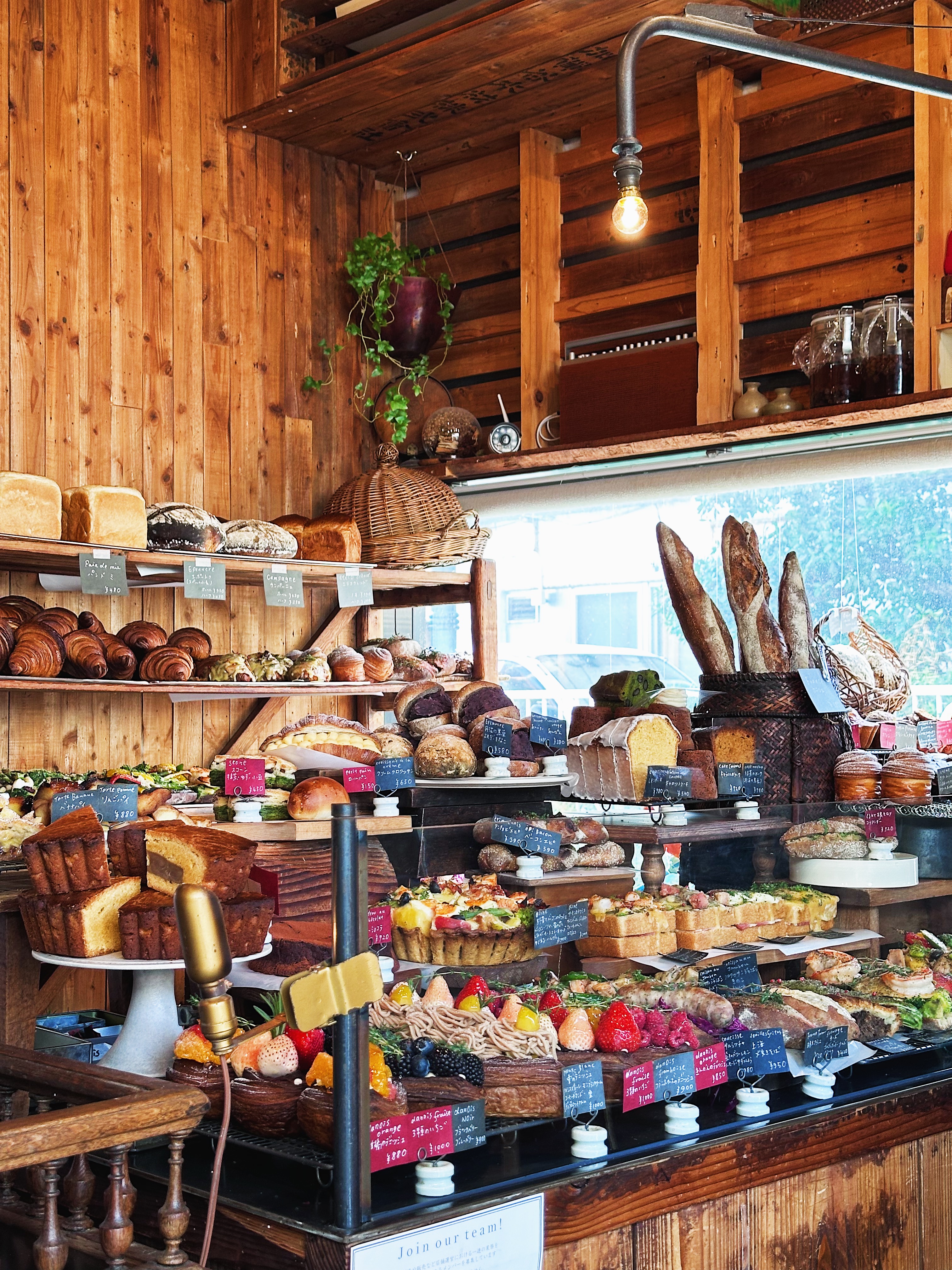
bricolage bread & co. – Roppongi
Located at Keyakizaka Terrace in Roppongi, bricolage bread & co. is a bakery and café where freshly baked bread is the main attraction. It works particularly well for a leisurely breakfast or pastry stop, with a more understated atmosphere than Tokyo’s dedicated dessert salons.
étéco bread
Tucked away in the Ikenoue area, étéco bread is a small bakery known for its carefully made selection of breads and pastries. It has a neighbourhood feel and is worth seeking out for those who prefer discovering independent bakeries rather than the better-known luxury pâtisseries.
Best Lunch in Tokyo
Lunch Omakase| Best Lunch in Ginza | Michelin Star Ramen
TsuruTonTan UDON NOODLE Brasserie GINZA
For something more relaxed, TsuruTonTan offers generously sized bowls of udon in a stylish setting just off the Ginza-Sukiyabashi area. The Ginza restaurant takes a more contemporary approach to the traditional noodle shop, with a spacious interior, bar counter and private rooms, making it an easy lunch option between shopping and sightseeing.
Sushi Kanesaka
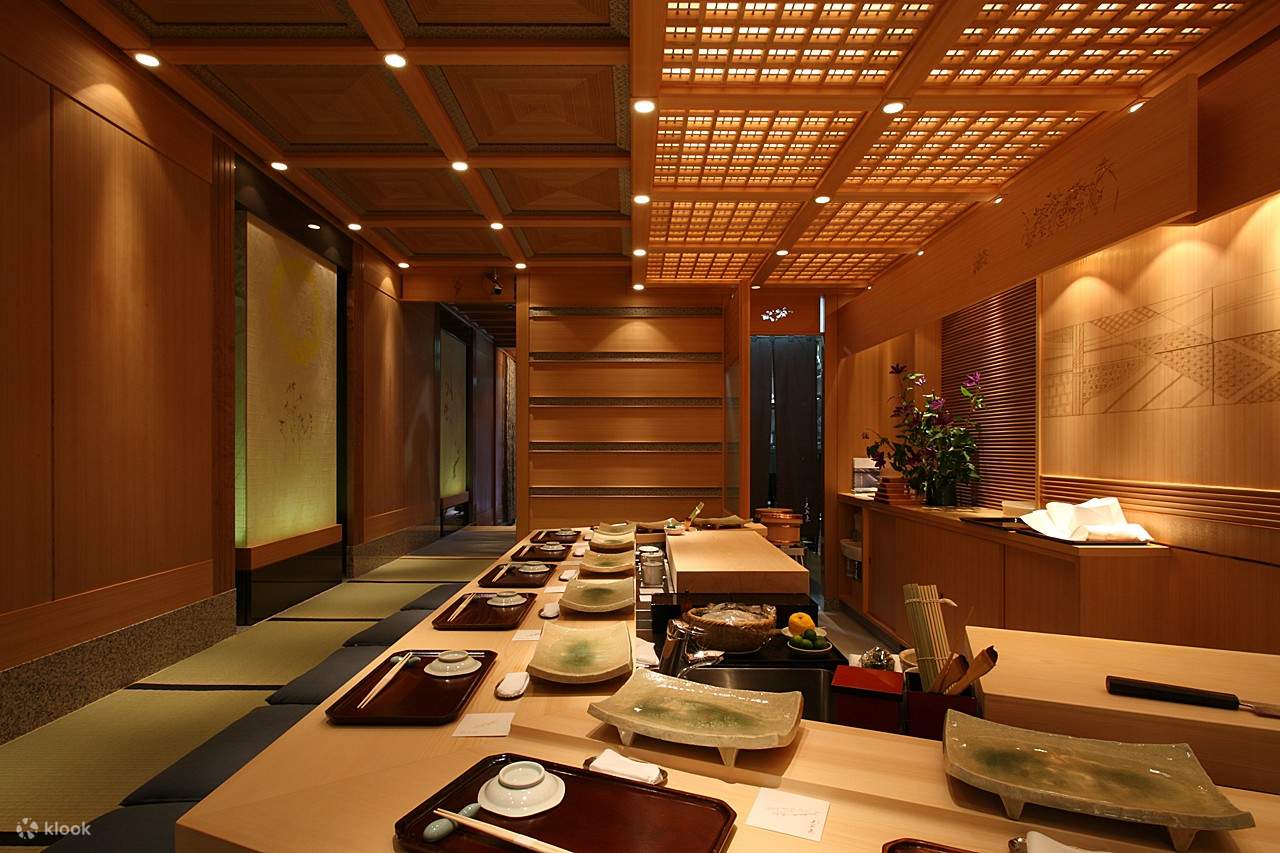
Sushi Kanesaka is a natural choice for those looking for a more traditional Edomae sushi experience in Ginza. The restaurant serves lunch omakase at its Ginza counter, with sushi prepared in the classic style that has made the Kanesaka name known in Tokyo.
Peter – The Peninsula Tokyo
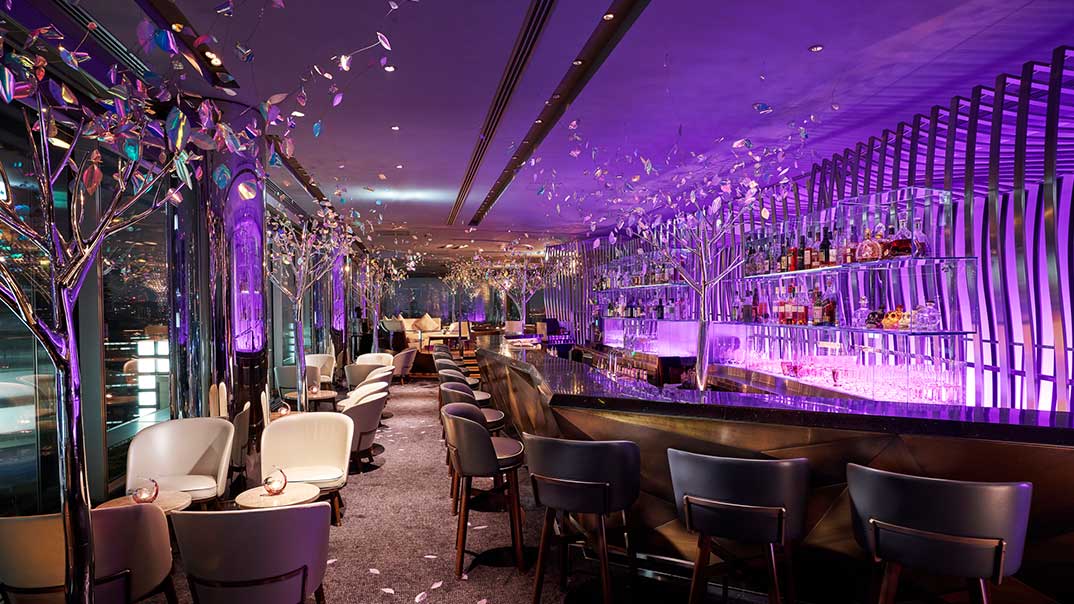
Located on the 24th floor of The Peninsula Tokyo, Peter offers a polished modern French lunch with Japanese influences and sweeping views over the Tokyo skyline and Imperial Palace Gardens. It is a good alternative to a traditional Japanese lunch when you want the setting and service of a luxury hotel alongside a more contemporary international menu.
Ginza Kyubey
A Tokyo sushi institution, Ginza Kyubey is a classic choice for a refined lunch centred around Edomae-style sushi. The Ginza main restaurant offers several lunch menus, from a straightforward nigiri selection to more elaborate sushi kaiseki, making it possible to choose the experience that suits the occasion.
GINZA UKAI-TEI
For an elegant teppanyaki lunch, GINZA UKAI-TEI brings together carefully selected Japanese beef, seasonal seafood and vegetables, all prepared at the chef’s table in front of guests. The restaurant’s distinctive interior combines Japanese architectural elements with Western art, creating a setting that feels suitably grand without losing the intimacy of teppanyaki.
Shima
Shima is a long-established steakhouse known for its Japanese beef and an understated approach to the dining experience. The restaurant offers both lunch and dinner and retains its more intimate steakhouse character.
Best Dinner in Tokyo
Best Wagyu in Tokyo | Romantic and Rooftop Restaurants
GINZA KOJU
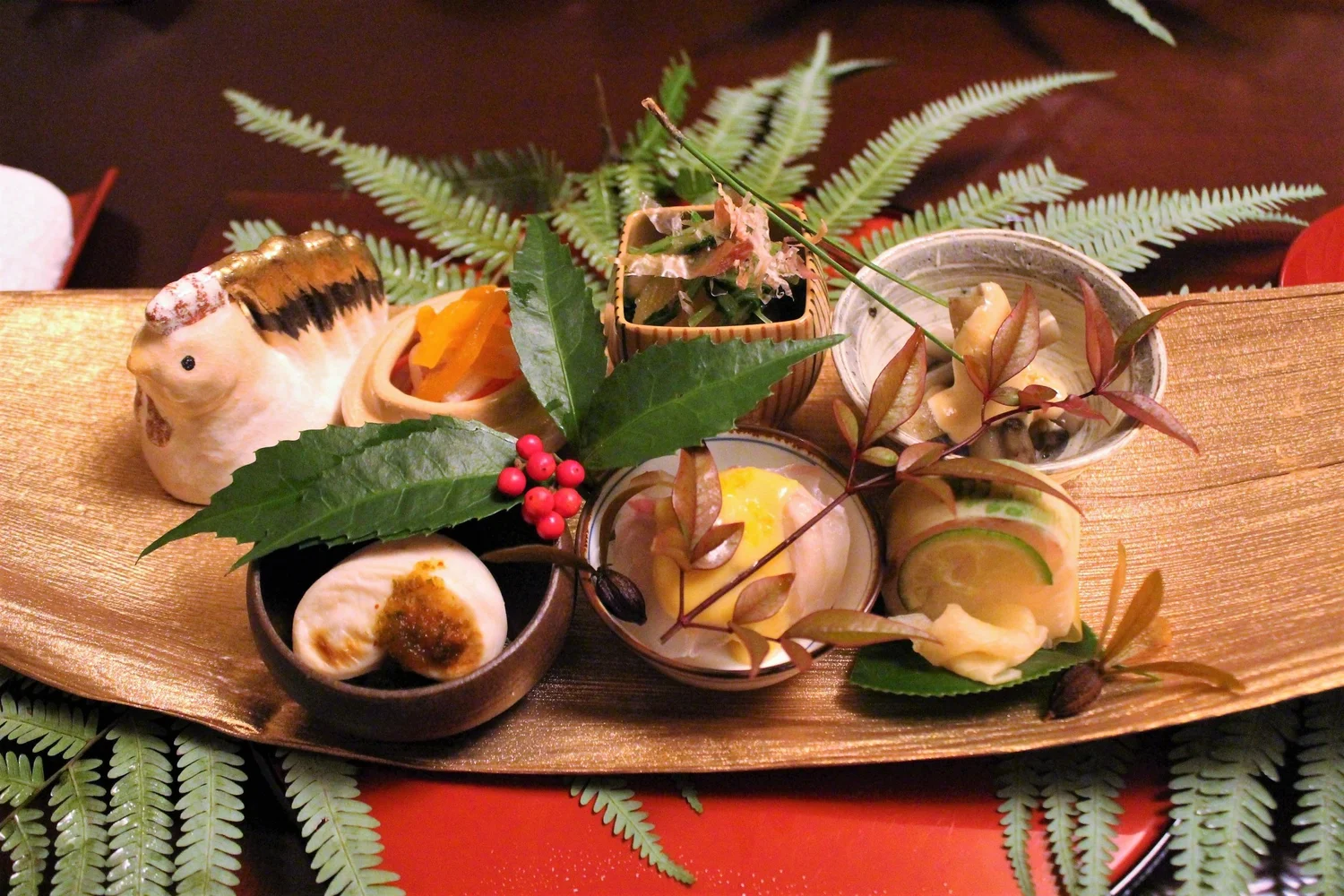
Ginza Kojyu is an intimate Japanese restaurant specialising in seasonal kaiseki cuisine, with chef Toru Okuda at its helm. The restaurant has been at its current Ginza location since 2012, offering an omakase-style experience that focuses on the changing seasons and the natural character of its ingredients.
Il Ristorante – Niko Romito
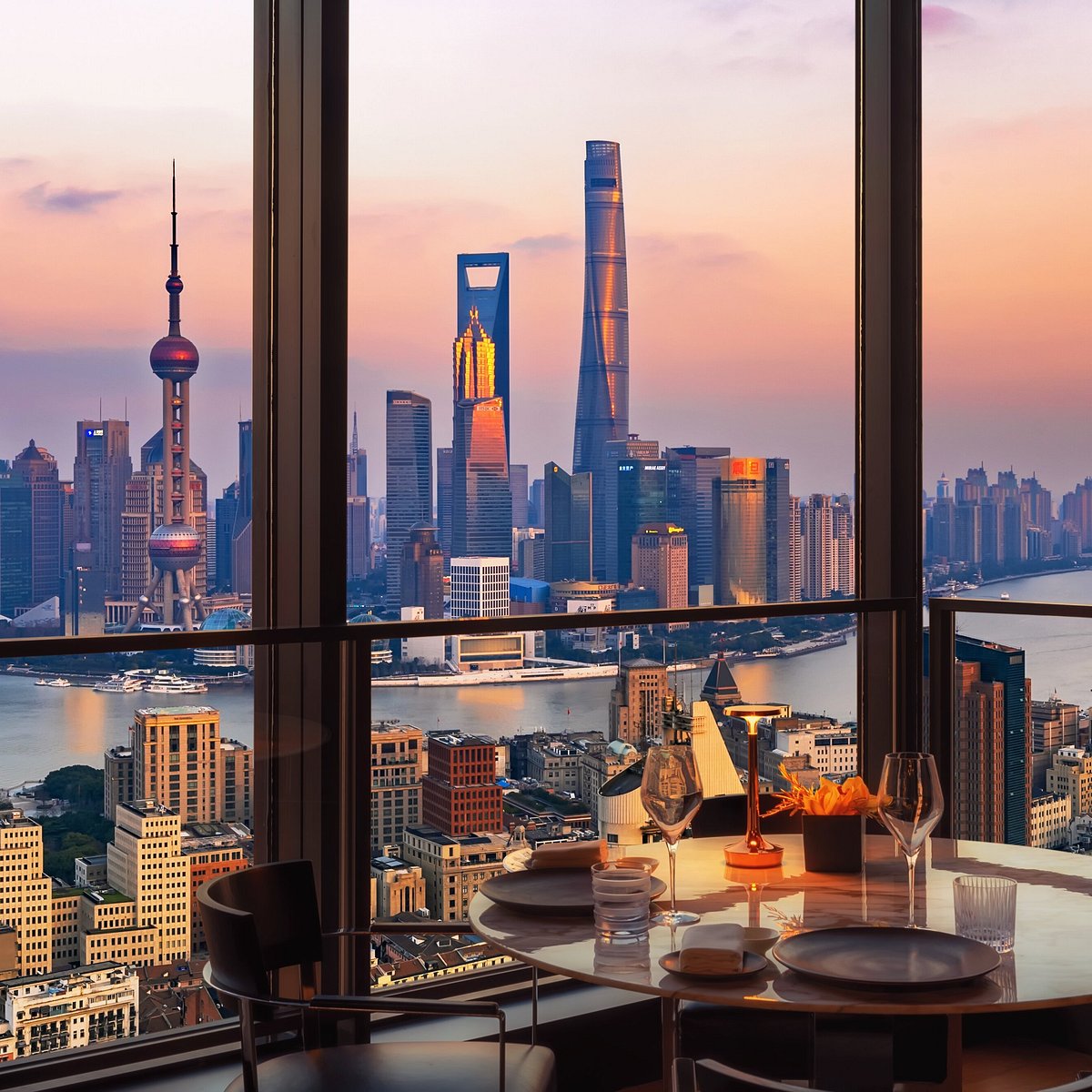
Located on the 40th floor of Bvlgari Hotel Tokyo, Il Ristorante – Niko Romito offers contemporary Italian cuisine in one of the city's most glamorous hotel settings. The restaurant combines Niko Romito’s modern interpretation of authentic Italian cooking with a sophisticated space featuring Japanese design elements and elevated city views.
MAZ
MAZ brings the culinary philosophy of Peruvian chef Virgilio Martínez to Tokyo, exploring Peruvian landscapes, ecosystems and ingredients while creating a dialogue with Japanese produce and culture. The result is a highly creative tasting experience that connects Peru and Japan through the ideas of territory, nature and biodiversity.
SÉZANNE
Located on the seventh floor of Four Seasons Hotel Tokyo at Marunouchi, SÉZANNE offers a modern interpretation of French cuisine, built around seasonal ingredients from Japan. The open kitchen and relaxed-luxury interiors by André Fu give the restaurant an elegant but contemporary atmosphere.
NARISAWA
Chef Yoshihiro Narisawa’s restaurant is centred on what he calls “Innovative Satoyama Cuisine,” drawing inspiration from Japan’s forests, coastline, seasons and the relationship between people and nature. The tasting menu turns these ideas into highly creative dishes while keeping Japanese ingredients and traditions at its core.
L’Effervescence
In Nishi-Azabu, L’Effervescence brings together Japanese ingredients and culinary traditions with influences from French cuisine and techniques. Chef Shinobu Namae places a strong emphasis on nature, seasonality and the producers behind the ingredients, creating a thoughtful tasting-menu experience that feels distinctly connected to Japan.
Best Matcha in Tokyo
Matcha Cafes Worth the Queue | Traditional Tea Ceremony
Nakamura Tokichi – Ginza
Located on the fourth floor of GINZA SIX, Nakamura Tokichi brings the long history of its Uji tea house to the heart of Tokyo. Its café serves matcha and other Japanese teas alongside creations such as parfaits, jelly and seasonal sweets, making it a particularly enjoyable introduction to Uji matcha culture.
Ippodo Tea – Tokyo
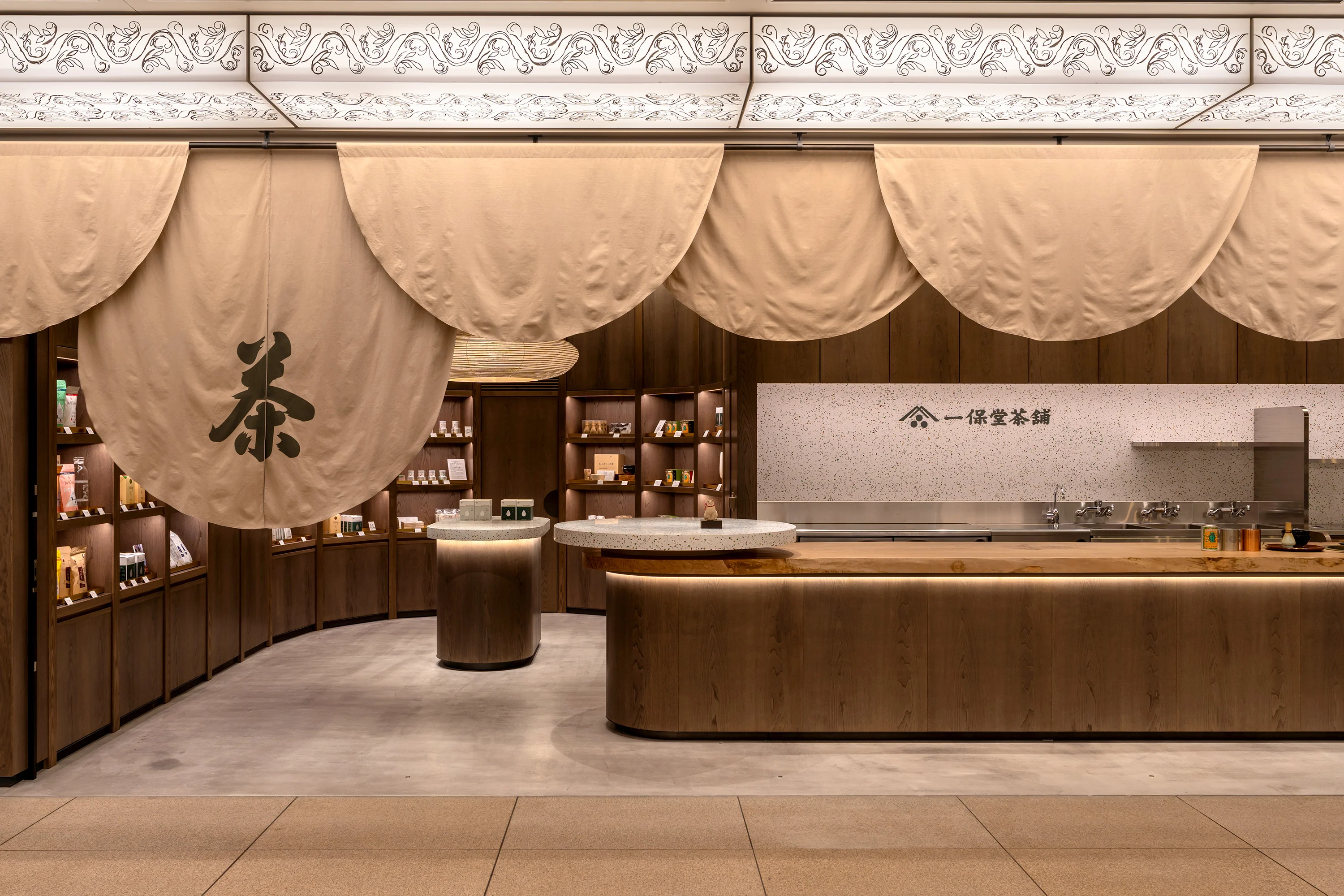
Founded in Kyoto in 1717, Ippodo is one of Japan’s historic tea houses, with its Tokyo presence now centred on the Aoyama and Shin-Marunouchi stores. Both offer matcha alongside other Japanese teas, while the Aoyama location also has a dedicated tearoom where tea can be prepared and enjoyed on site.
Matsubaya Saryo
In Minami-Aoyama, Matsubaya Saryo combines Japanese tea and sweets with the quiet beauty of a bonsai-filled space. Matcha is served in both lighter and richer preparations, including a traditional-style experience prepared in front of guests, while the menu also includes contemporary sweets such as matcha tiramisu.
Hatoya – Tomigaya, Shibuya
Hatoya takes a more contemporary approach to matcha, allowing guests to choose between several Kyoto-sourced matcha varieties and customise their drinks with toppings. Alongside matcha lattes and shakes, the menu includes sweets such as parfaits, monaka and matcha lava cake, making it a relaxed stop rather than a formal tea experience.
THE MATCHA TOKYO
THE MATCHA TOKYO focuses exclusively on organic matcha and presents it in a distinctly modern, everyday format. Its cafés serve everything from traditionally prepared matcha to its popular organic matcha latte, with current locations including Miyashita Park, NEWoMan Shinjuku and Tokyo Skytree Town.
MATCHA STAND MARUNI – Tsukiji
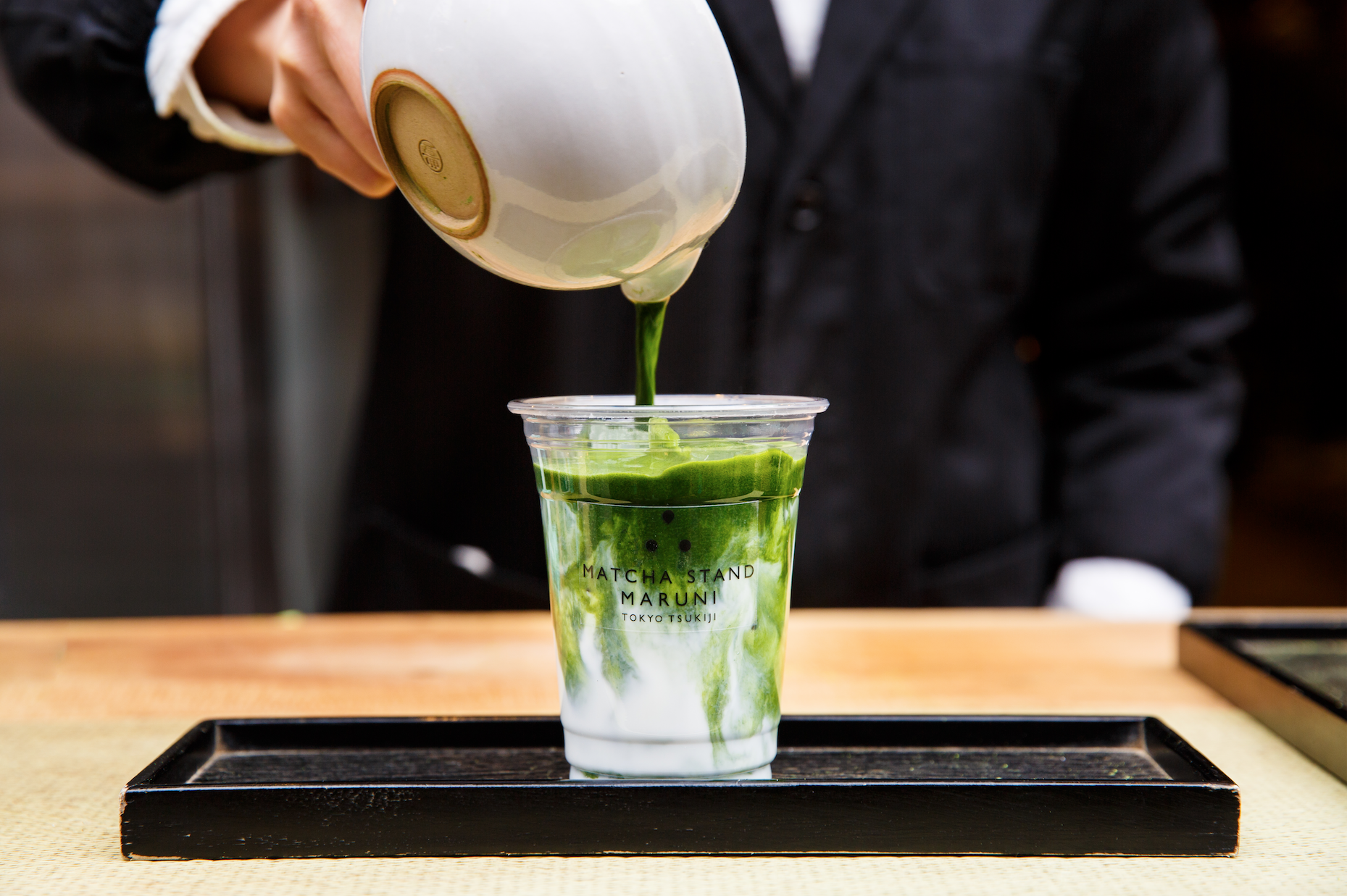
Set within the Tsukiji Outer Market, MATCHA STAND MARUNI offers a casual way to enjoy freshly prepared matcha and matcha lattes while exploring the market. The shop whiskes each matcha to order and also sells Japanese tea and traditional tea-making utensils, making it a natural stop during a morning in Tsukiji.
ATELIER MATCHA – Ginza
ATELIER MATCHA is the Ginza matcha café created by Uji tea producer Yamamasa Koyamaen, a tea company with roots stretching back to the Edo period. Its concept is to make premium matcha more approachable, with high-grade matcha whisked to order and used across both drinks and sweets.
Best Omakase in Tokyo
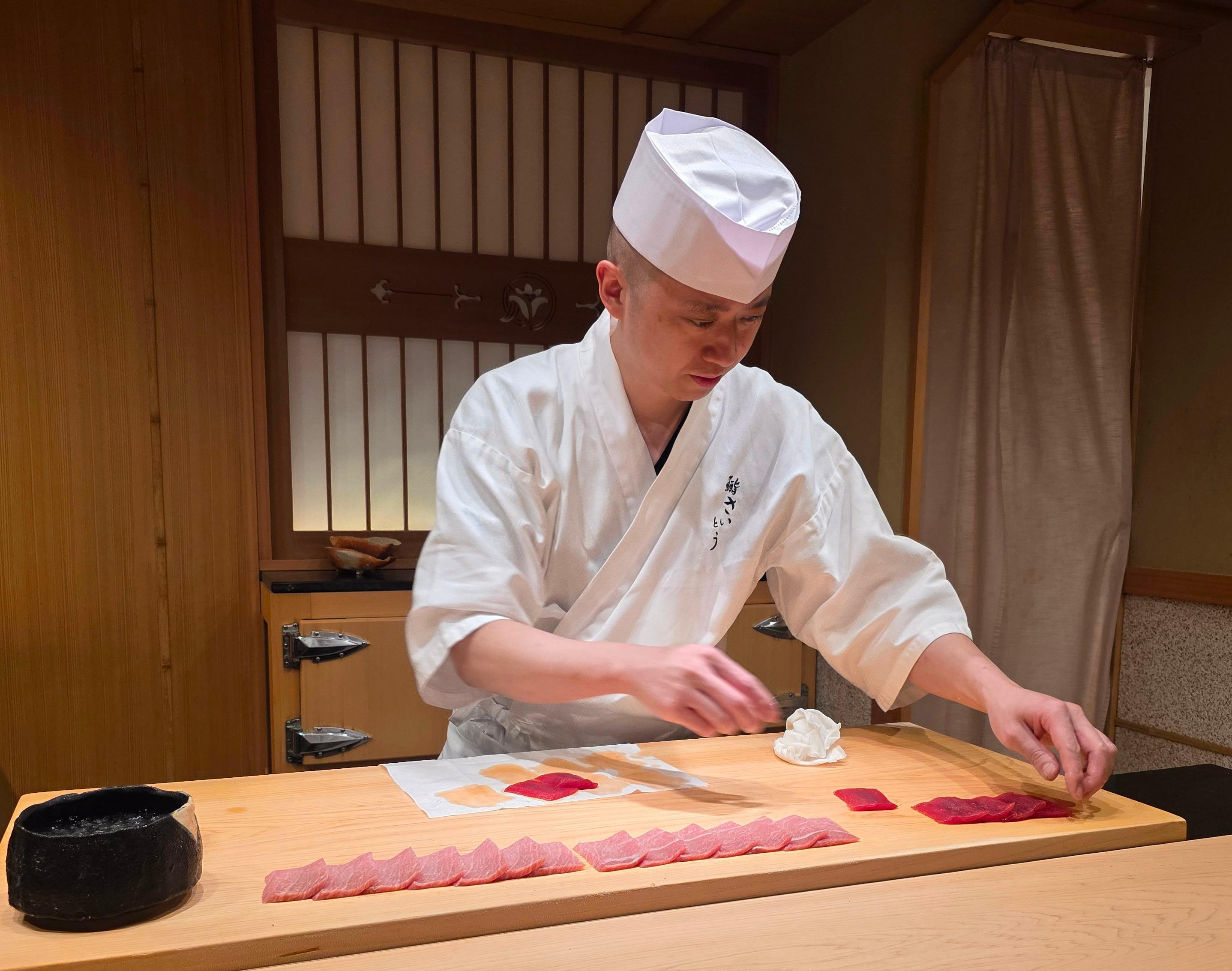
Unique Omakase Experience| Michelin Star Sushi Counters
Sushi Saito
Sushi Saito is one of Tokyo’s most established high-end sushi counters, led by chef Takashi Saito at Ark Hills in Roppongi. The restaurant focuses on carefully selected seasonal ingredients and refined Edomae sushi, with its intimate counter and notoriously difficult reservations making it a particularly sought-after experience.
Nihonbashi Kakigaracho Sugita
Chef Takaaki Sugita brings years of experience in traditional Edomae sushi to his intimate Nihonbashi counter, which opened under its current name in 2015. The nine-seat restaurant focuses on carefully handled seafood and traditional techniques, while its intimate setting makes the chef’s work very much part of the experience.
Sushi Arai
Located in Ginza, Sushi Arai was founded by chef Yuichi Arai after training at Ginza Kyubey and Sushi Sho. The restaurant places particular emphasis on nigiri, using carefully selected seasonal fish and rice made with Toyama-grown Koshihikari, with the seasoning of the shari adjusted according to the condition of the fish.
Sushi Yoshitake
Sushi Yoshitake is an intimate Ginza restaurant led by chef Masahiro Yoshitake, whose approach centres on creating harmony between the flavour, appearance and texture of each piece. The restaurant combines traditional Edomae sushi craftsmanship with a refined counter setting and also has private dining space.
Sushi Kanesaka
Founded by chef Shinji Kanesaka in 2000, the Ginza restaurant is built around a precise and deeply traditional approach to Edomae sushi. The intimate eight-seat counter serves an omakase menu, and the restaurant has retained its two Michelin stars, with the distinction recorded by Michelin through the 2026 selection.
Sushi Sawada
With just six seats at its Ginza counter, Sushi Sawada offers an exceptionally intimate setting for traditional sushi. The restaurant is reservation-only and currently operates a small number of lunch and dinner services, with its long record of Tabelog recognition reflecting its established position within Tokyo’s sushi scene.
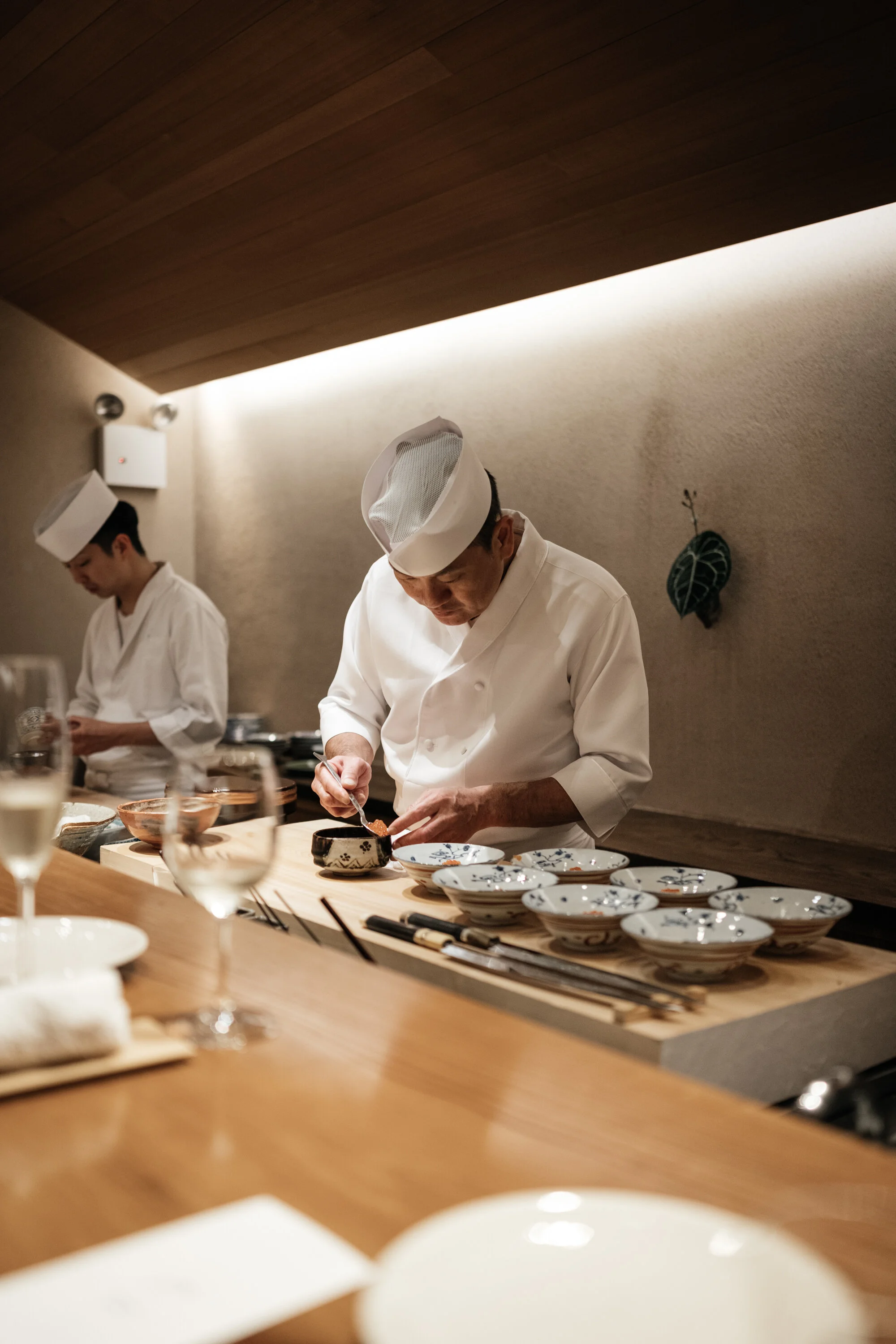
Traditional Japanese Food in Tokyo
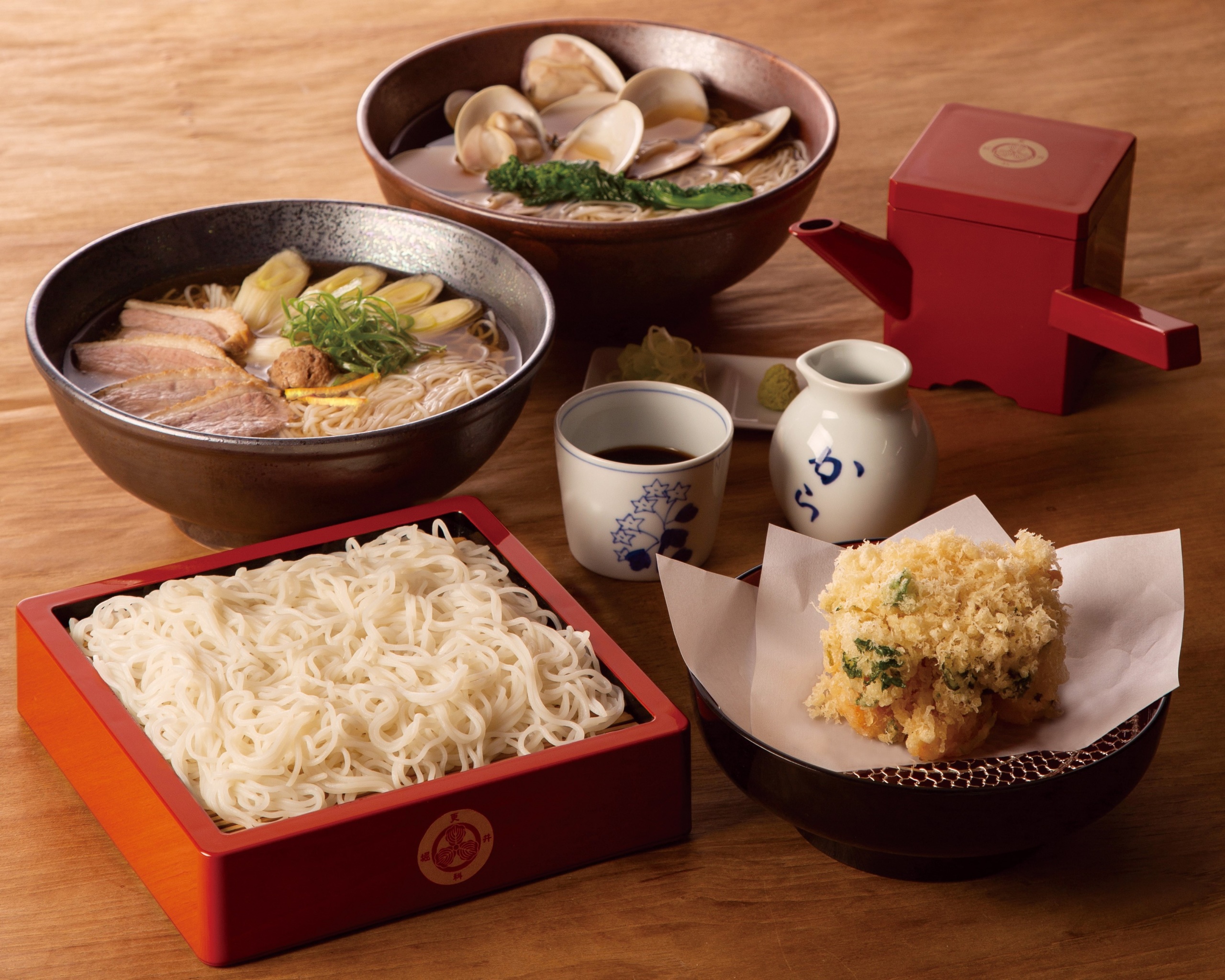
Kaiseki: The Pinnacle of Japanese Cuisine | Modern Izakaya | Tokyo Street Food
Sarashina Horii - Soba
Founded in 1789, Sarashina Horii has been making soba in Tokyo for more than two centuries and remains known for its delicate white sarashina soba, made from the centre of the buckwheat grain. Its Azabu-juban main restaurant is a particularly good place to experience one of Tokyo’s most enduring noodle traditions.
Obana - Unagi
Located in Minami-Senju, Obana has specialised in unagi for generations and is known for its traditional approach to grilled freshwater eel. The restaurant keeps the focus firmly on the eel itself, making it a worthwhile stop for experiencing one of Japan’s classic specialist dishes. Obana
Tonkatsu Maisen Aoyama - Tonkatsu
The Aoyama main restaurant of Tonkatsu Maisen is a Tokyo institution, particularly recognisable for its tender tonkatsu and the distinctive setting of a former bathhouse. The restaurant serves freshly fried pork cutlets alongside other Japanese dishes, making it an easy introduction to one of the country's most beloved comfort foods.
Tonki - Tonkatsu
In Meguro, Tonki has been serving its distinctive style of tonkatsu since 1939. The restaurant is known for its traditional preparation and highly characteristic interior, with the counter allowing guests to watch the kitchen team at work. Tonki
Ningyocho Imahan - Sukiyaki
Established in 1895, Ningyocho Imahan has built its reputation around carefully selected Japanese beef and traditional sukiyaki. The original Ningyocho restaurant offers a particularly classic setting for the experience, with staff preparing the sukiyaki at the table.
Tokyo’s food scene is best experienced beyond a simple list of restaurants, with the right experiences planned around your interests and schedule. From a private food tour and an exclusive chef’s table to a traditional tea ceremony or a hands-on sushi workshop, the 79 can arrange every detail from start to finish for you, creating a seamless culinary experience in the city. Explore our Culinary Delights collection to discover bespoke dining experiences, and let us plan your next Tokyo food tour.
FAQ
Ginza is Tokyo’s main fine-dining hub, with Roppongi, Azabu and Nihonbashi offering equally refined dining experiences across Japanese and international cuisine.
For highly sought-after Michelin-starred sushi counters, reservations can need to be made months in advance and may require a concierge or established referral, which is where the 79 team can assist with the process.
Omakase prices vary according to the chef’s reputation, the number of seats and the quality and seasonality of the seafood, while lunch menus are often shorter and more relaxed than dinner experiences.
Halal-certified Japanese restaurants have become increasingly available in Tokyo, including options for halal wagyu and kaiseki, while our halal dining section highlights suitable restaurants and our verification service can help confirm requirements.
Wagyu refers to several Japanese cattle breeds, while Kobe beef is a specific type of Wagyu from Hyogo Prefecture that must meet strict certification and quality standards.
Tokyo offers several places for authentic tea ceremonies, including private experiences that can be arranged through The 79, with further options featured in our matcha guide.
For an authentic answer to what to eat in Tokyo, look for kaiseki, sushi, tempura, soba, unagi and wagashi, each offering a different perspective on Japan’s culinary traditions.

